

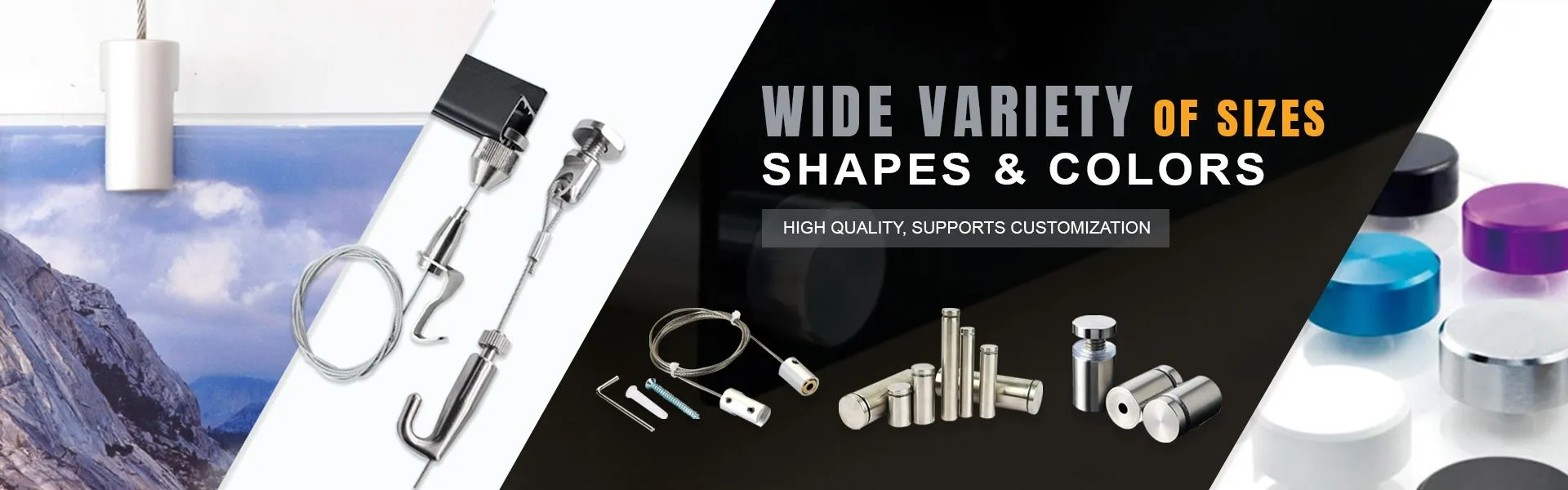


CNC Machining Precision Parts
Own 35 sets of CNC Lathe Machines, 15 sets of CNC 6030, 6 sets of Swiss Type High Speed Precision CNC Lathes, 5 sets of Computer Numerical Control, milling machines, Instruments, drill press machines. Own factory covering a total of 3000 square meters. Give you the best quality products at the...
- Fast Delievery
- Quality Assurance
- 24/7 Customer Service
Product Introduction


Below Is How We Cost-effectively Achieve Tight CNC Tolerances
Optimize Part Tolerances for Each ApplicationCNC Machining Tolerances
Standard Machining tolerances are +/- 0.10" for plastic parts and +/-0.005" for metal parts. Some parts may need even fewer deviations to ensure a proper fit. Tight tolerance ends up being a necessary cost for a specific part application. It is thus best to limit tight tolerances to the necessary surfaces or areas of a part. This helps meet the design criteria while mitigating extra expenses. However, if tolerances for a part do not need to be very tight, then opting for the standard is a simple way of lowering costs and machining times.
Efficiently Matching Manufacturing Methods
One thing to consider when working with tight tolerance is fitting the manufacturing process correctly. For example, using a vertical mill to machine a hole along with a set of tolerances, has special considerations. We first have to bore a hole with tighter tolerances using a CNC lathe. This raises the set-up cost and extends the production timeline. Parts with tight-fit or snug tolerance needs may require extra steps. This helps ensure each part achieves the desired finish and fit. Examples of these extra steps include lapping and grinding.
Do not Ignore Parallelism and Perpendicular
These refer to two vital tolerances that we have to prioritize. This is especially the case when working with multiple components. They are especially vital for assemblies as even a slight degree of change leads to even greater misalignment. This may impact the overall quality and viability of the part.
Matching Tolerance Expectations with Material Machinability
We often design parts from specific materials to offer specific physical, chemical, or performance features. However, we also have to account for how those features affect the workpiece machinability. For instance, it is easier to mill plastics than to machine hardened steel. Usually, the softer the material, the harder it is for the material to hold a tight tolerance. Resins and soft silicones are prone to flexing during cutting operations. Meanwhile, plastics such as nylon may need extra tooling to achieve specific tolerances.
Coming up with Designs with the Final Inspection Process in Mind
It is difficult to measure a part's tolerance, the more complex a feature gets. In some cases, you may need a special tool to correctly measure certain features. Smaller parts or those with tiny features are also more taskings to create and inspect. Usually, features that are smaller than 0.005" are tricky to see with the naked eye. If there is a need for tight tolerances in such a case, you must have the right tools to accurately measure, inspect and verify those tolerances. Ideally, you can only be sure of tight tolerances if you have the correct tools to measure them.


If you have any other question, please feel free to contact us.
Hot Tags: cnc machining precision parts, China cnc machining precision parts manufacturers, factory


