

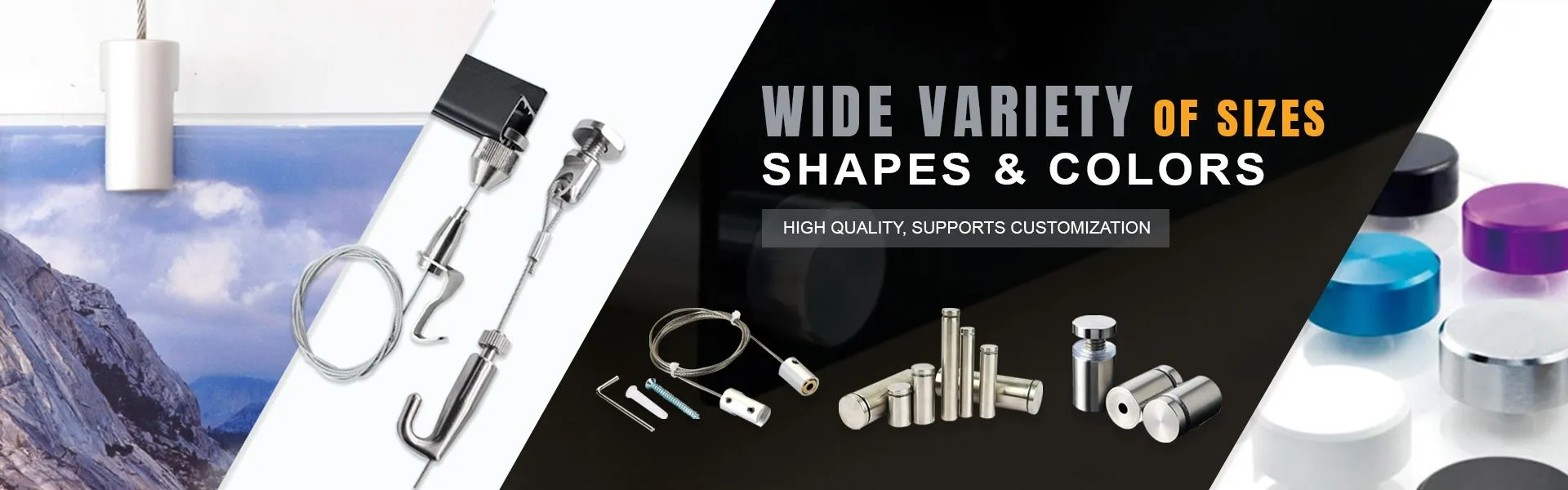
Aluminum Standoff Spacer Manufacturing Process
Jan 08, 2024
Aluminum Standoff Spacer Manufacturing Process
Aluminum standoff spacers are widely used in electronic devices to provide support, separation, and insulation between printed circuit board (PCB) components. The manufacturing process of aluminum standoff spacers involves several steps which are explained in detail below:
1. Material Preparation
The first step is material preparation where aluminum bars are selected based on the size and shape of the standoff spacer required. The aluminum bars are then cut into the desired length using a saw.
2. Drilling
In this step, the aluminum bars are drilled to enable threading. A high-speed drill press is used to create precise holes in the center of the aluminum bars for the screws or bolts.

3. Threading
The drilled holes are threaded using a threading machine. The thread size is determined by the specifications of the screw or bolt that will be used to fix the standoff spacer to the PCB.
4. Sanding and Deburring
After threading, the standoff spacers are sanded and deburred to remove any sharp edges or burrs that may cause damage to the PCB or other components.
5. Surface Treatment
The surface of the aluminum standoff spacers is then treated to improve their appearance and durability. They can be anodized, plated or coated depending on requirements.
6. Quality Control
Before the standoff spacers are packaged and shipped, they undergo rigorous quality control checks to ensure that they meet the required specifications and standards. These checks include visual inspection, measurement, and testing to verify the strength and durability of the product.
Conclusion
The manufacturing process of aluminum standoff spacers involves several steps that require precision and expertise to ensure high quality and functionality. With this process, manufacturers can produce aluminum standoff spacers that are strong, durable, and reliable for various electronic applications.


