

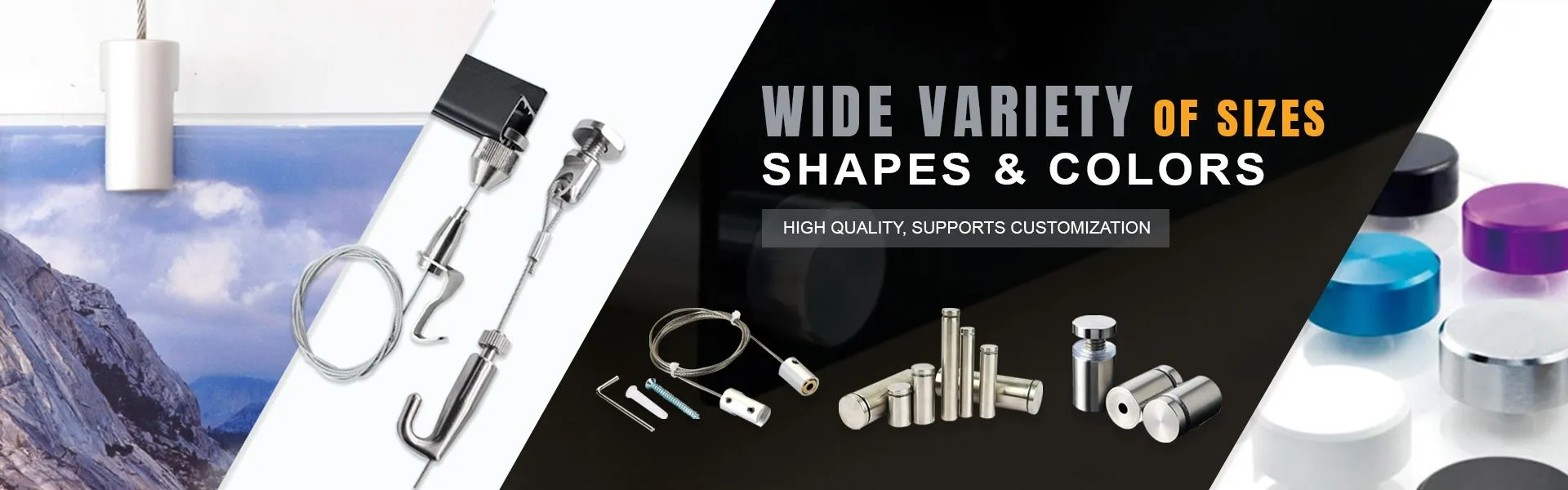
Sign Standoffs: An In-Depth Look At Materials, Functions
Dec 29, 2025
Sign Standoffs: An In-Depth Look at Materials, Functions
In the visually saturated landscape of modern business, effective signage is paramount for brand recognition and customer acquisition . However, the integrity and impact of a sign are not solely dependent on its graphic design; equally critical are the often overlooked hardware components that secure it in place. Chief among these are sign standoffs, also known as advertising nails or standoff screws **. These specialized fasteners do more than just hold a sign up; they influence its aesthetics, durability, and safety. This article provides a comprehensive exploration of sign standoffs, detailing their material composition, primary functions, and distinct application considerations.
I. Material Types: The Foundation of Performance
The choice of material is the first and most crucial decision in selecting a standoff, directly impacting its strength, corrosion resistance, lifespan, and overall appearance.
Metal Standoffs (Predominantly Stainless Steel): These are the industry standard for high-durability applications. Specifically, 304 and 316 grades of stainless steel are most common, prized for their excellent corrosion resistance, high tensile strength, and polished aesthetic appeal^. Their polished or satin-finished surfaces offer a professional, modern look suitable for corporate environments and high-end retail. The stainless steel and zinc alloy construction ensures they outperform standard plastic alternatives, especially in outdoor settings where exposure to moisture and temperature fluctuations is a concern*^*.
Aluminum Standoffs: Aluminum standoffs offer a lighter-weight alternative to steel while still providing good strength and corrosion resistance. They are often anodized in various colors (black, bronze, etc.) to complement specific design schemes. Though generally less load-bearing than stainless steel, they are cost-effective and suitable for many indoor and sheltered outdoor applications.
Plastic & Acrylic Standoffs: Made from polymers like acrylic, nylon, or polypropylene, these standoffs are lightweight, economical, and corrosion-proof. They are ideal for temporary displays, indoor retail signage with lightweight substrates (like foam board or thin acrylic), and applications where electrical insulation or preventing surface scratches (on delicate glass) is a priority^. However, their load capacity and long-term durability under UV exposure are inferior to metal options*^*.
Composite Standoffs: This emerging category combines materials, such as a metal (steel or aluminum) core for structural integrity encased in a plastic or colored sleeve for aesthetic customization. This approach allows designers to match hardware colors precisely to brand schemes without sacrificing the mechanical strength provided by the metal interior.
II. Core Functions: More Than Just Fasteners
Sign standoffs serve multiple integrated functions that elevate them from simple hardware to essential design elements.
Secure and Stable Mounting: The primary function is to physically secure signage to a wall, post, or glass surface. Precision-engineered with threaded interfaces, they allow for adjustable and flush mounting, ensuring the sign remains level and firmly attached, resisting wind loads and accidental impacts.
Aesthetic Enhancement and Professional Spacing: Standoffs create a deliberate gap (or "stand-off") between the sign panel and the mounting surface. This shadow line adds visual depth, creates a professional, floating effect, and allows for indirect lighting to enhance the sign's visibility. The standoff's visible head (available in domed, countersunk, or custom shapes) becomes part of the sign's overall design aesthetic.
Durability and Protection: By lifting the sign away from the wall, standoffs prevent moisture buildup, reduce dirt accumulation behind the panel, and minimize the risk of surface damage to both the sign and the wall. Metal standoffs, in particular, contribute to the long-term structural integrity of the installation.
Facilitating Maintenance and Cable Management: The created space allows for easier cleaning behind the sign. In the case of illuminated signs or digital displays, this cavity is essential for discreetly routing electrical cables and accessing connections for maintenance.


